Navigation

Content

The Wheeler Valley Water Vole Project

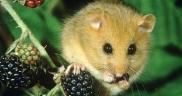
The water vole is the largest of the British voles and is often mistaken for a brown rat. Confusingly their other name is the water rat (just like ‘Ratty’ the water vole from Wind and the Willows). They can be distinguished from brown rats by their furry tails, smaller, round ears and a flatter face.

They like to eat water side vegetation such as grasses, sedges and rushes, but can feed on other plants and insects. They have between two and five litters a year, producing five to eight young every time, but infant mortality is high and few of them live longer than three years.

 Water voles live in complex burrow systems near slow-moving or still water, often having an under water entrance for a quick escape from their many predators. One predator, the American mink, an introduced species released from fur farms in the 1920s, is a strong swimmer and is small water voleenough to chase them into their burrows. In recent years mink have contributed to a dramatic drop in water vole numbers and continue to threaten water vole populations today. The other main cause of the decline has been habitat loss and degradation.


    Water voles have been lost from over 90% of
    their former sites in Britain (Peter Trimming)


History

Formerly widespread across the waterways of the UK, the water vole is known as Britain’s fastest declining mammal. In the past decade the numbers of water vole have declined an estimated 90%. If nothing is done to reduce the rate of decline, the water vole could be extinct within three years.

 Project

Two water vole populations were found at either end of the Wheeler Valley, prompting the Wheeler Valley Water Vole Project. The project aims to connect the two populations by working with land owners to improve the habitat along the valley, through fencing off areas either side of the ditches. Ponds have also been created and restored along the valley in an attempt to create more suitable habitat for the vole. Their numbers are being monitored in a hope that these changes allow the population to increase.

Footer

Made by Splinter